

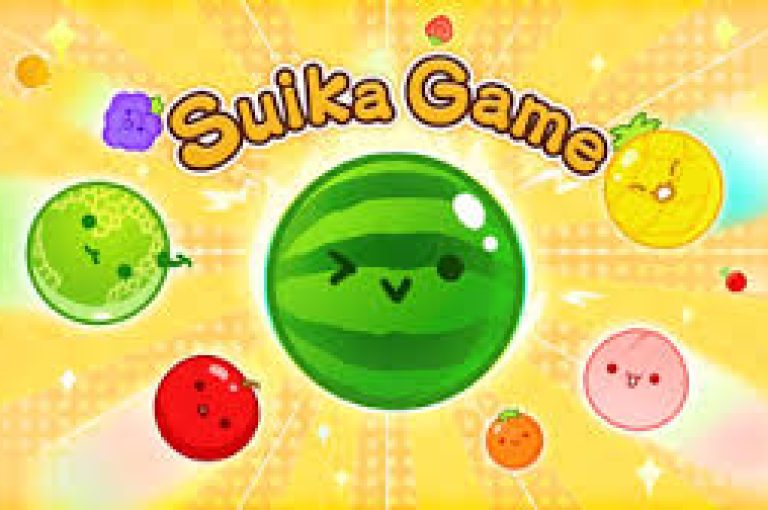
If you’ve scrolled through gaming communities lately, you’ve probably seen people talking about a deceptively simple game involving dropping fruit and watching them merge. Welcome to the world of watermelon puzzles—a genre that’s taken the casual gaming scene by storm. At its heart lies Suika Game, a perfect entry point for anyone curious about what makes these puzzle mechanics so addictive.
What Are Watermelon Puzzles, Anyway?
Watermelon puzzles belong to a family of games that take inspiration from the “2048” genre but add a fruit-themed twist. The core concept is wonderfully straightforward: you drop fruits into a container, and when two identical fruits touch, they merge into the next size up. Your goal? Keep combining until you reach the ultimate fruit—the watermelon.
The beauty of this design is that it works on two levels. On the surface, it’s relaxing and easy to understand. Underneath, there’s genuine strategy. You’re not just mindlessly tapping; you’re planning ahead, managing limited space, and deciding where each piece should go. It’s puzzle gaming without the overwhelming complexity.
How Suika Game Works
In Suika Game, you start with small strawberries and grapes dropping into your container. The progression follows a logical chain: two strawberries make a grape, two grapes make a melon, and so on. Each level introduces slightly larger fruits in warmer colors until you’re working with pumpkins, melons, and finally that glorious watermelon.
The gameplay loop is hypnotic. You position your fruit at the top of the screen and let it fall. The physics feel responsive and satisfying. When fruits merge, there’s a little animation that makes it feel rewarding without being distracting. The real tension comes from managing space. Your container isn’t infinite, and a single misplaced piece can trigger a cascade of game-overs.
What makes Suika Game particularly engaging is the “next fruit” preview. You always know what’s coming next, which means you can strategize. This small feature transforms the game from pure luck into something where skill and planning actually matter.
Strategies to Keep Your Container Tidy
Getting started is easy, but reaching that watermelon requires some thought. Here’s what experienced players tend to do:
Think vertically. Stack your fruits deliberately. Don’t just drop pieces randomly. Try to create columns where similar fruits naturally congregate. This makes merging happen more efficiently and frees up crucial horizontal space.
Use the sides strategically. Edge pieces are your friends. The left and right sides of your container are perfect spots for pieces you’re actively merging. This keeps your center clear for new drops.
Plan three moves ahead. The preview system lets you see what’s coming. If a large piece is incoming, create space for it now. This prevents those frustrating moments where you’re forced into a losing position.
Embrace the combos. When you successfully merge several pairs in quick succession, there’s real momentum. Don’t panic during these sequences—they’re exactly what you want. The pressure you feel is just the puzzle working as intended.
Know when to take risks. Sometimes you need to leave pieces in precarious positions to achieve a merge that opens up space. This is different from panicking—it’s calculated. The game rewards this kind of forward thinking.
Why These Games Stick With You
Watermelon puzzles tap into something genuinely satisfying about organization and completion. There’s no timer demanding you rush, no enemies chasing you, no complex story demanding attention. It’s just you, your decisions, and the simple mathematics of two fruits becoming one.
The progression from tiny strawberries to a full watermelon provides a clear sense of achievement. Every merge feels like progress. The visual design is typically charming without being loud. Everything works together to create something you can pick up for five minutes or play for an hour without fatigue.
Getting Started With Suika Game
If you want to experience this genre properly, Suika Game is an excellent choice. It’s accessible enough for complete beginners but offers enough depth that you’ll keep discovering new strategies. Start without overthinking it. Play a few rounds to get a feel for the physics and timing. Then slowly introduce intention to your drops.
Remember that losing is part of the learning curve. You’ll run out of space. You’ll make moves you regret. That’s normal. Each failure teaches you something about positioning or planning for the future.
Final Thoughts
Watermelon puzzles represent something increasingly valuable in gaming: entertainment that doesn’t demand your constant attention or emotional investment, yet remains genuinely engaging. Suika Game exemplifies this perfectly—it’s a game that rewards both casual play and serious optimization.
If you’ve been curious about this trend, give it a shot. Drop some fruit, watch it merge, and see if you can reach that watermelon. You might just find yourself with a new favorite way to spend your downtime.



Daily wellness routines often include products focused on Liver Support Health. Combining proper nutrition with targeted supplementation may help maintain normal liver function and support overall metabolic wellness.
“This is a brilliant and incredibly accurate breakdown of the watermelon puzzle phenomenon! You perfectly capture why these drop-and-merge mechanics are so deceptively simple yet completely addictive—it’s that satisfying loop of watching small fruits combine into something massive.
Your tips on spatial awareness and planning ahead are spot on; it’s so easy to ruin a great run by cluttering the top with tiny fruits before you can make that final watermelon merge. Thank you for a fantastic, insightful guide that perfectly highlights why this puzzle genre is such a ‘digital delight’ for quick brain breaks!”